
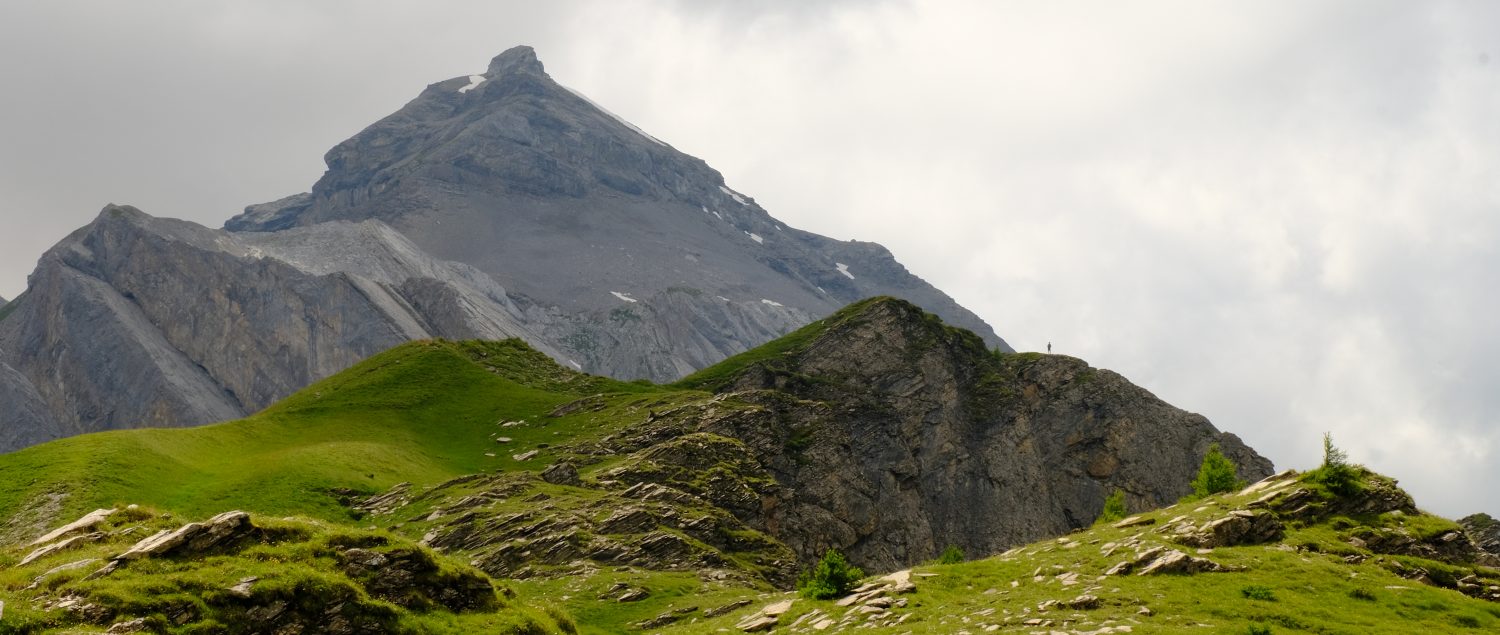
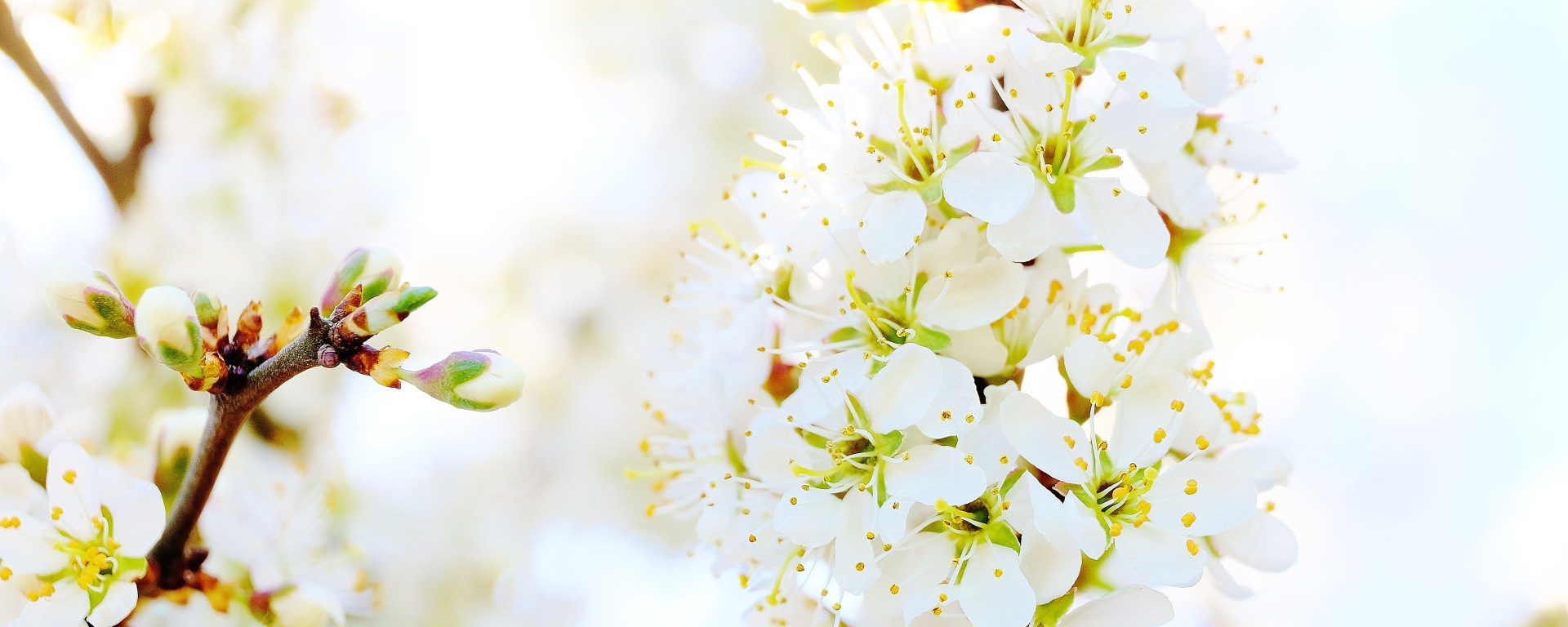
These flowers and blossoms are out now! All these photos were taken in the last few days next to the footpaths and verges around our villages, can you find all six? I’ve given some clues about the best places to find them.
Remember – take nothing but pictures, leave nothing but footprints.
Wild flowers droop and die really quickly when picked, please leave them for others to enjoy!
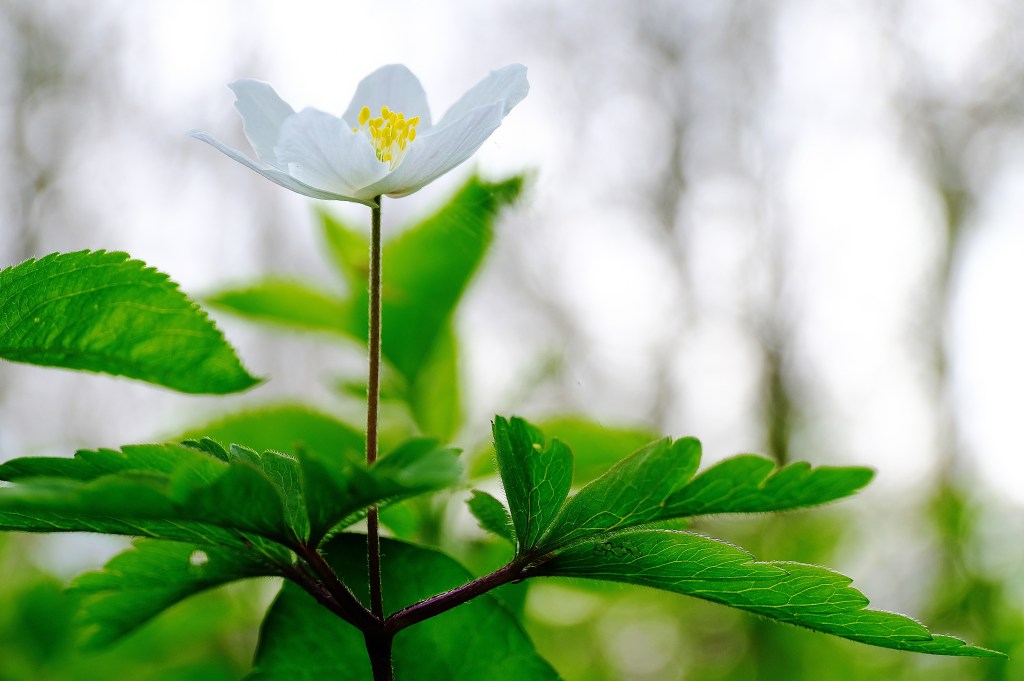
Photo credit: Sally Woodbridge
The Wood Anemone’s name gives you a big clue about where to find it! Looking beside hedges is also worth a try.
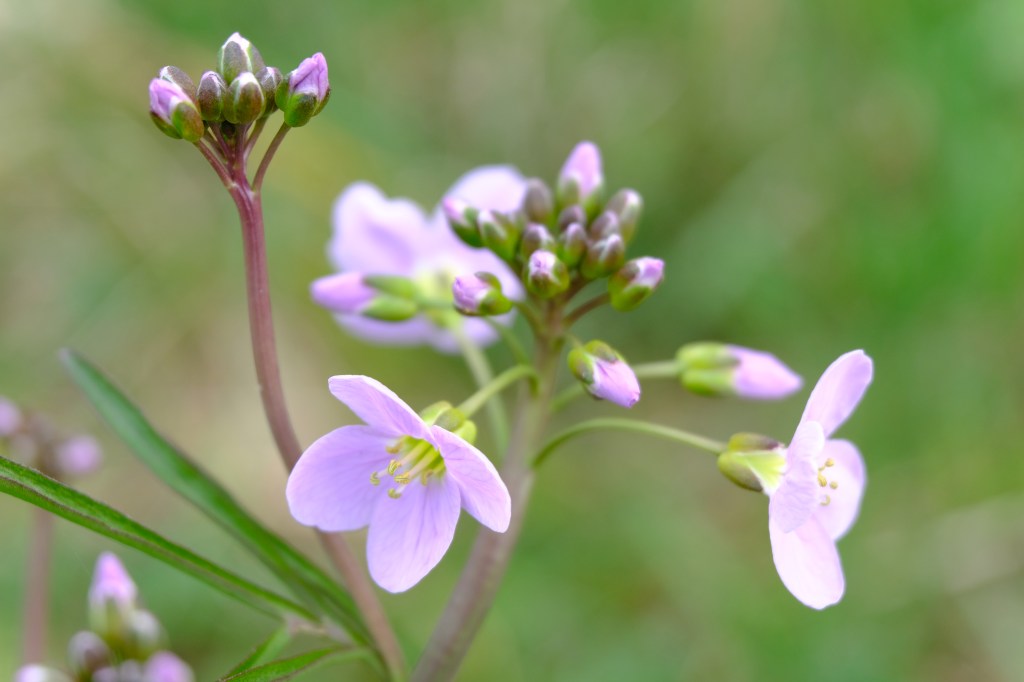
Photo credit: Sally Woodbridge
The Cuckoo flower likes damper soil, try looking near hedgerows and on verges. It’s called the Cuckoo flower because it usually blooms at the same time cuckoos arrive back in the UK from Central Africa. It is also known as Lady’s smock, Milkmaids or Mayflower.
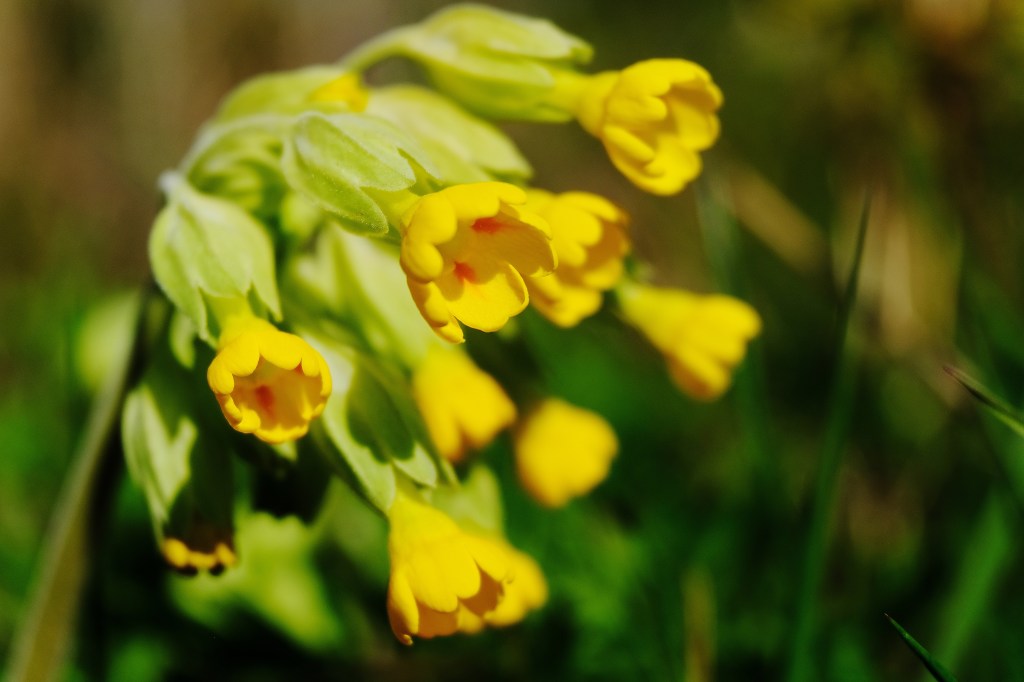
Photo credit: Sally Woodbridge
The Cowslip may have got its name from growing in fields near cow dung! It prefers slightly damper areas like the Cuckoo flower. It is closely related to Primroses and sometimes interbreeds with them.

Photo credit: Sally Woodbridge
You just can’t miss this at the moment. Watch out for the sharp thorns! Grown-ups might like to know that the fruit of Blackthorn is sloes, as in sloe gin!
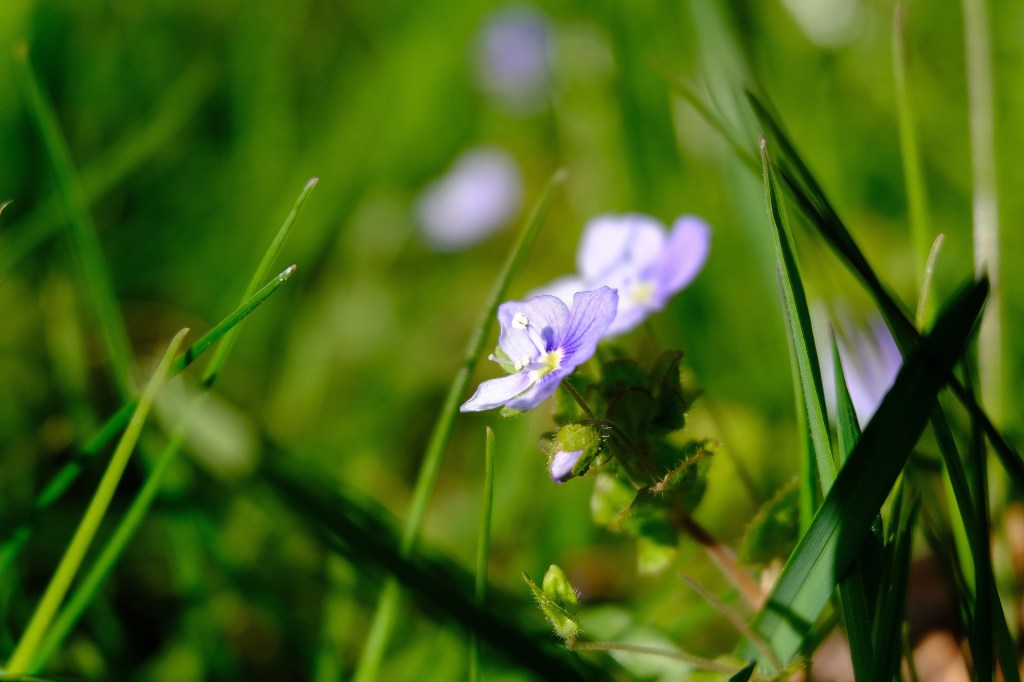
Photo credit: Sally Woodbridge
Common Field Speedwell is teeny tiny, the flowers are 8-12mm across. Its lovely sky blue colour and white centre to the flower makes it stand out in grassy places though. The centre of the flower can look a bit like an eye, so its sometimes known as Birdeye Speedwell.

Photo credit: Sally Woodbridge
Deadnettles with their white flowers don’t sting you! Again they like damper areas, but they will grow in lots of places. Bees love them, especially because they flower here before many other plants. You can also eat the small young leaves in salads, cook them, or make nettle pesto!
R. Fitter, A. Fitter and M. Blamey, Wild flowers of Britain and Northern Europe, 5th ed., Harpercollins Publishers, London, 1996.
ispotnature.org
 SallyW Outdoor Adventures